dogs, local
Oh, Skunk! What to Do When Your Dog Gets Sprayed
by Owner of Bark & Mane | Serving Lake Norman & North Charlotte
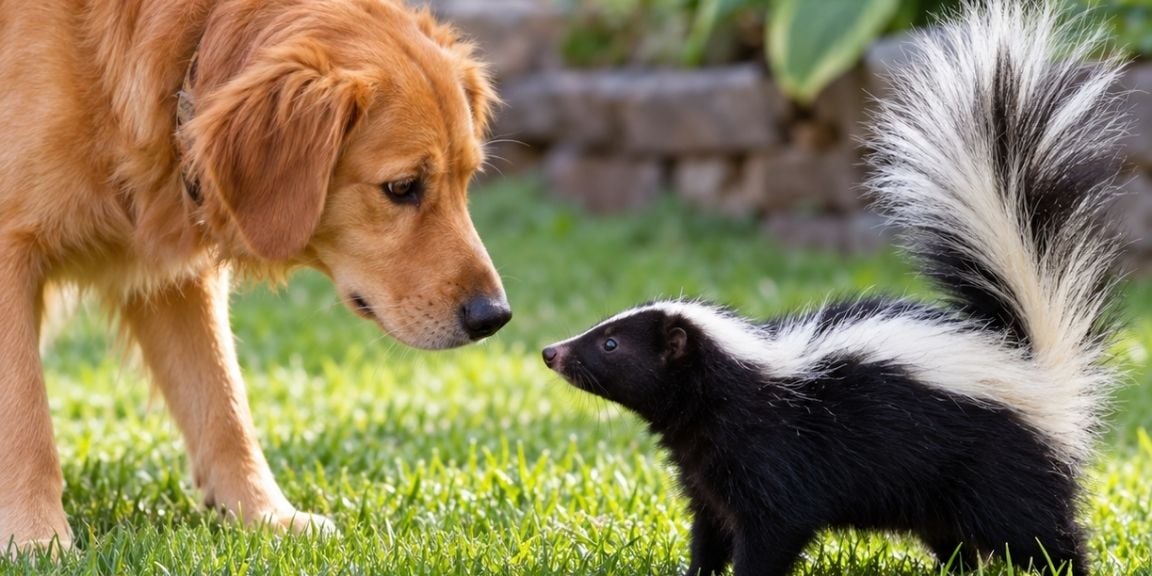
Two dogs. Two skunks. Two weeks apart. One very stinky summer!
This summer, both of my dogs, Evie and Layla, had unfortunate encounters with skunks in our Davidson backyard. And yes, it happened just two weeks apart!
Thankfully, after nearly 10 years of owning Bark & Mane, I knew exactly what to do. But as I stood there dealing with two very smelly dogs, I realized that most pet parents probably wouldn't know where to begin.
So, I thought I'd share a few tricks of the trade in case you ever find yourself in the same stinky situation.
First Things First: Forget the Tomato Juice!
You've probably heard that bathing a skunked dog in tomato juice removes the odor. Unfortunately, that's an old wives' tale. Tomato juice doesn't actually neutralize the chemicals responsible for that unmistakable skunk smell.
Instead, keep these four inexpensive items on hand:
- Tearless baby shampoo – for gently cleaning your pet's face and head.
- Dish detergent – helps break down the oily skunk spray.
- Baking soda – an essential ingredient in the odor-neutralizing mixture.
- 3% hydrogen peroxide – reacts with the odor-causing compounds.
Trust me, you'll be glad you have these supplies ready when you need them!
Help! My Dog Just Got Skunked. Now What?
Skunks typically spray pets directly in the face because curious pups and kitties tend to investigate nose-first.
Step 1: Check your pet's eyes.
Skunk spray can cause significant eye irritation. If your pet's eyes appear red, inflamed, or watery, immediately flush them gently with lukewarm water or sterile saline. If irritation persists, your dog is squinting, or they seem to be in pain, contact your veterinarian. Seek urgent veterinary care if your pet has breathing difficulties, severe vomiting, or other unusual symptoms.
Step 2: Mix up your de-skunking solution.
In an open container, combine:
- 1 quart of 3% hydrogen peroxide
- ¼ cup baking soda
- 1–2 teaspoons of liquid dish detergent
Mix gently and use immediately. Never store this mixture in a closed container because pressure can build up.
Step 3: Don't wet your dog first!
This is important! Start with a dry coat so you can work the cleaning products directly into the skunk's oily spray.
Apply a generous amount of tearless baby shampoo to your pet's dry face and head. Gently work it into a lather, taking care to avoid the eyes, nose, and mouth.
Step 4: Treat the body.
Apply the freshly mixed de-skunking solution to your pet's dry body, working it thoroughly into the coat wherever the spray made contact.
Keep the peroxide mixture away from your pet's face, eyes, ears, and mouth. It can cause irritation and may lighten dark fur or fabrics.
Step 5: Let it work, then rinse thoroughly.
Allow the mixture to work for approximately 5 minutes, then rinse your pet thoroughly with lukewarm water. Don't leave the peroxide solution on for extended periods, as it can irritate the skin.
You can follow with a gentle pet shampoo and conditioner if needed.
Step 6: Dry your pet.
Towel-dry your pet and, if they're comfortable with it, finish with a pet-safe blow dryer on a low, cool setting.
Hopefully, your dog will now smell considerably better. But I have some bad news...
Why Does My Dog Still Smell Like Skunk, Especially When Wet?
Here's where things get interesting.
Skunk spray is an oil containing powerful sulfur compounds called thiols, which are responsible for that immediate, eye-watering odor.
But skunk spray also contains compounds called thioacetates. These aren't initially as smelly, but when exposed to moisture, they can gradually convert into odor-producing thiols.
That means your dog might smell perfectly fine on a sunny afternoon, only to smell like a skunk all over again after a rainy walk, a swim, or a bath!
These lingering compounds can remain in your pet's coat for weeks and, in some cases, much longer.
A Cornelius Labrador Who Proved the Point
One of our favorite Labradors in Cornelius had his own unfortunate skunk encounter.
We groomed him every three weeks, and despite regular bathing and lots of TLC, he continued to have a very faint skunk smell for more than a year!
It was a good reminder that even with proper cleaning and professional grooming, some skunk encounters leave a surprisingly long-lasting souvenir.
The good news? The smell will gradually fade. Regular bathing and grooming can help remove residual oils and keep your pet's coat clean and healthy.
How to Keep Skunks Out of Your Yard
Of course, the best skunk encounter is the one that never happens!
After Evie and Layla's summer adventures, I became even more mindful of what might attract skunks to our Davidson backyard.
Here are a few ways to make your property less inviting:
1. Remove bird feeders or clean up spilled seed.
Skunks love the seeds that fall to the ground beneath bird feeders. If you're attracting birds, you may also be inviting some unwanted nighttime visitors.
2. Consider a skunk-deterrent perimeter.
Certain natural granular or mineral-based animal repellents are marketed to discourage skunks from visiting yards, foundations, and other areas. Look for a product specifically labeled for skunks and safe for use around pets, and follow its instructions carefully. Repellents aren't foolproof, so they're best used alongside other prevention measures.
3. Don't provide free room and board.
Skunks love sheltered spaces beneath porches, decks, sheds, and crawl spaces.
If you suspect a skunk has moved in, don't simply seal the entrance. You could trap an animal or separate a mother from her babies.
For instructions on safely and humanely encouraging skunks to relocate, visit Humane World for Animals.
4. Be especially careful at dawn, dusk, and overnight.
Skunks are most active during these hours.
I recommend walking dogs on a short leash, supervising backyard outings, and bringing cats indoors during these times. A little extra caution can save you from a very smelly evening!
One Last Thought From a Groomer Who's Been There
Even after nearly a decade in the grooming business, I couldn't prevent Evie and Layla from having their skunk encounters. Sometimes curious noses just get into trouble!
But knowing what to do made a tremendous difference.
My advice? Keep your de-skunking supplies together, check your yard for things that attract wildlife, and remember that patience is part of the process. That lingering skunk smell may stick around longer than you'd like.
And whether you're in Lake Norman, University City, or Concord be skunk aware!
Here's hoping your four-legged family members never need this advice. But if they do, you'll be ready.
With love (and hopefully fewer skunks),
Julia Krauss, owner
Bark & Mane 🐾
Professional mobile pet grooming serving Lake Norman and North Charlotte.
A quick safety note: The peroxide mixture is intended for pets with intact, healthy skin. Avoid using it on irritated or broken skin, near the eyes, or on cats without veterinary guidance. If your pet has a severe reaction to skunk spray, contact your veterinarian promptly.